Can You Freeze Cheese? What Works and What Is Ruined
Yes, but only some cheeses survive it. Which ones freeze well, which are ruined, how to wrap and defrost them, and what frozen cheese is still good for.
Yes, you can freeze cheese. But only some cheeses survive it, and none of them come out better than they went in. Hard cheeses like cheddar, gouda and gruyère freeze acceptably and are perfectly good for cooking afterwards. Soft and fresh cheeses (brie, ricotta, mozzarella sitting in water) come out watery and grainy, and there is no fixing them.
So the honest rule is this: freeze cheese to save it from the bin, not to store cheese you intend to eat off a board. Here is what freezing actually does, which cheeses cope, how to do it properly, and how to defrost without making it worse.
What freezing does to cheese
Cheese is fat and water held inside a mesh of casein protein. Freeze it and the water turns to ice, and ice takes up more room than liquid water does. Those crystals push outwards and tear the protein structure.
Thaw it and the water has nowhere to go back to. It leaks out. What is left behind is drier, crumblier and slightly mealy on the tongue. Try slicing a defrosted block of cheddar and it will shatter instead of cutting cleanly.
The single best predictor of how badly a cheese suffers is its moisture content. More water means more ice, which means more damage.
- Parmigiano Reggiano, pecorino, aged gouda: roughly 30% water. You will barely notice.
- Cheddar, gruyère, Emmental: roughly 36 to 39%. Noticeably crumblier, still useful.
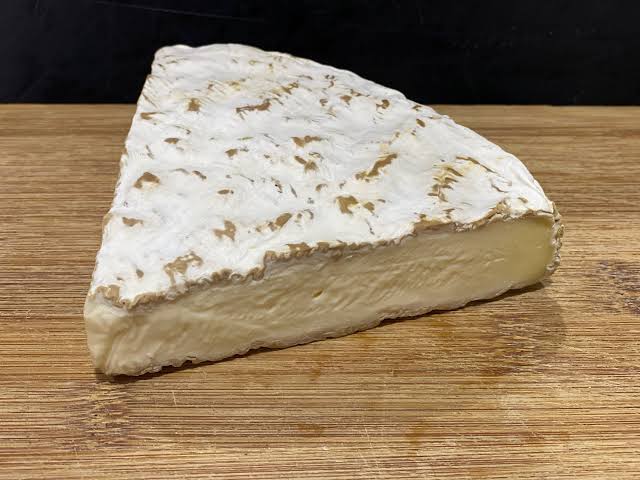
- Brie, camembert, taleggio: around 50%. Ruined.
- Ricotta, cottage cheese, fresh mozzarella: 70% and up. Splits into curds and cloudy liquid.
Freezing also stops ageing dead. A cheese that was still developing will never develop again, and the living rind flora on bloomy and washed-rind cheeses does not survive the experience either.
Which cheeses freeze acceptably
Freeze these happily:
- Cheddar, red leicester, double gloucester, Cheshire
- Gouda, edam, gruyère, Emmental, comté
- Monterey Jack, provolone, low-moisture block mozzarella (the pizza kind)
- Halloumi. It freezes very well, which makes sense given it is built to hold its shape at high heat.
- Hard blues such as stilton and gorgonzola piccante. They come out crumblier, which barely matters if they are going into a sauce.
- Any hard cheese you have already grated.
Technically fine but rarely worth it: Parmigiano Reggiano, grana padano, pecorino romano and manchego. They keep for months in the fridge anyway if you wrap them properly, so the freezer is solving a problem you do not have.
Which cheeses freezing ruins
- Brie, camembert and any bloomy rind. The paste goes chalky and grainy, the rind separates, and on defrosting it weeps. Do not do it.
- Washed rinds such as époisses, taleggio, munster and reblochon. Same story, plus you kill the surface bacteria that make them taste of anything.
- Fresh mozzarella in brine, burrata, feta in brine. The water in and around them destroys the texture completely.
- Ricotta, cottage cheese, quark, crème fraîche. These split into solids and liquid. Ricotta can just about be rescued by beating it hard and using it in a baked filling, but it will never be smooth again.
- Cream cheese. Splits and goes lumpy. Fine stirred into a hot sauce, useless on a bagel.
- Fresh goat's logs. They crumble on thawing. Acceptable crumbled over a tart, not on a board.
How to freeze cheese properly
- Portion it before it goes in. Blocks of 200 to 250g maximum. Smaller pieces freeze faster, and faster freezing means smaller ice crystals and less damage. A huge block freezes slowly at the centre and suffers most there.
- Grate it if you can. Grated cheese is the best-case scenario, because texture damage does not matter when it is going straight into a pan or over a pizza. Toss the gratings with about a teaspoon of cornflour per 250g so they do not weld into a single lump.
- Wrap tight, then wrap again. Greaseproof paper or cling film pressed against the surface first, then a freezer bag or airtight box with the air pushed out. Air is what causes freezer burn, where the surface dries out and turns waxy and pale.
- Interleave slices. If you are freezing slices, put a square of baking paper between each one so you can take out three without defrosting twenty.
- Label it. Cheese type and date. Frozen cheddar looks exactly like frozen anything else after a month.
- Keep the freezer at -18C or below. Freezers that hover warmer, or that get opened constantly, cause partial thaw and refreeze cycles, and each one does fresh damage.
Never freeze cheese in the flimsy plastic film from a deli counter. It is not a moisture barrier. Vacuum-packed cheese that is still sealed can go straight in as it is.
How long frozen cheese keeps
At a steady -18C, cheese stays safe more or less indefinitely. Quality is the limiting factor, not safety.
- Hard cheese in blocks: 6 months for good results.
- Grated hard cheese: 3 to 4 months. More surface area means faster drying and oxidation.
- Blue cheese: 3 months.
- Halloumi: 6 months.
After that it is still edible but increasingly dry and flat-tasting, and freezer burn starts to show.
How to defrost it
Slowly, in the fridge, still wrapped. A 250g block needs a good 24 hours. Leaving it wrapped means the moisture that seeps out stays against the cheese and some of it gets reabsorbed rather than evaporating away.
Do not defrost cheese on the worktop and absolutely do not use the microwave. Fast thawing makes it weep far more.
Once thawed, use it within three to four days and do not refreeze it. A second round of ice crystals turns crumbly into powder.
Grated cheese should not be defrosted at all. Use it straight from frozen, on pizza, in a toastie, over a gratin. It melts in seconds and you will not be able to tell.
What frozen cheese is actually good for
Everything where the cheese melts and the texture stops mattering:
- Toasties and cheese on toast
- Mac and cheese and any baked pasta
- Gratins, tartiflette, dauphinoise
- Pizza
- Cheese sauces, soups, risottos
- Omelettes, quiches and scones
- Burgers and jacket potatoes
Where it is not good: a cheeseboard, anything served cold, a caprese, a cheese and pickle sandwich where you want proper slices. If you have leftover board cheese, freeze the cheddar and the stilton for cooking and eat the brie tonight. That is not a hardship.
If you are freezing your good stuff because you keep forgetting what is in the fridge, the real fix is upstream. Buy less at once, buy it cut to order, and browse the catalogue so you know what actually needs eating first.
Quick answers
Can you freeze cheese in the packet it came in? If it is vacuum-sealed and unopened, yes, straight in. If it is deli film or a resealable bag, no. Rewrap it properly.
Does freezing kill bacteria in cheese? No. Freezing pauses bacterial growth rather than eliminating it, and organisms become active again on thawing. Freezing does not make an unsafe cheese safe, and it will not rescue a cheese that was already going off. If you have specific concerns about listeria or pregnancy, that is a question for a health professional rather than an article.
Can you refreeze cheese once it has thawed? Technically yes if it stayed cold, but the texture will be genuinely poor. Better to grate the lot and freeze it as gratings the first time round.
Why did my frozen cheese go crumbly and dry? Ice crystals tore the protein mesh and the water escaped on thawing. It is normal, it is not a sign the cheese has spoiled, and cooking with it hides it entirely.
Can you freeze a whole wheel of brie? You can. You will not enjoy the result. Buy smaller wheels instead and eat them at their best.
Next time you rescue a block from the freezer and it turns into a genuinely excellent grilled cheese, log it in your cheese tracker so you know what you liked and what you actually get through.
Get the app.
Track every cheese you try, scan any label, and find what is good near you. Free on iOS and Android.
Download Cheezus