Cheese for Camping and Festivals: No Fridge Required
Which cheeses genuinely survive without a fridge and for how long, storage tricks that beat the heat, easy campfire meals, and what to leave at home.
You can take cheese camping without a fridge. You just have to take the right cheese. Hard, aged, low-moisture cheeses like Parmigiano Reggiano, pecorino, aged Gouda and waxed cheddar truckles survive days at ambient temperature, because they contain too little water and too much salt for spoilage bacteria to get going. Fresh and soft cheeses do not, and should be treated as day one only.
That is the short version. Here is everything else: how long things actually last, what to do about heat, the tricks that work, and the cheeses that are not worth the space in your bag.
Why some cheeses keep and others do not
Cheesemaking is, at its root, a preservation technique. Milk lasts days. Cheese lasts months. What separates a keeper from a liability is three things:
- Moisture. Parmigiano Reggiano is roughly 30% water. Mozzarella is around 60%. Bacteria need water to grow, so the drier the cheese, the safer it sits.
- Salt. Hard and brined cheeses carry enough salt to make life difficult for anything unwelcome.
- A rind or a barrier. Natural rind, wax, cloth or a vacuum pack all keep the outside world out.
Get all three and you have a cheese built to travel. Miss them and you have a cheese that needs a fridge.
What lasts, and for how long
These assume shade and sensible storage rather than a dashboard in full sun. Heat shortens everything.
Multiple days, comfortably
- Parmigiano Reggiano, Grana Padano, pecorino romano. A vacuum-packed wedge is fine for the length of a normal trip. Once opened, wrap it well and use it within three or four days.
- Waxed cheddar truckle or a waxed Gouda. Unopened, the wax is a proper seal and it will hold for weeks in cool conditions. Once you cut it, treat it as a few days.
- Aged Gouda, Manchego, Comté, Ossau-Iraty. Vacuum-packed, several days. Opened, two to three days in the shade.
- Babybel and similar wax-coated snack cheeses. Individually sealed, small, and genuinely convenient. A day or two out of the fridge in warm weather, longer if it is cool.
- Processed cheese in sealed portions, the foil triangle sort. Not glamorous, but it is UHT-treated and shelf-stable until opened, which is exactly what a festival needs.
One day, at a push
- Halloumi and feta in sealed brine. The brine and salt do a lot of work while the pack is closed. Once opened, keep it cold or eat it.
- Young cheddar, Red Leicester, block mozzarella. Fine on day one. Getting tired by day two.
Do not rely on it at all
- Brie, Camembert, any bloomy rind, any washed rind
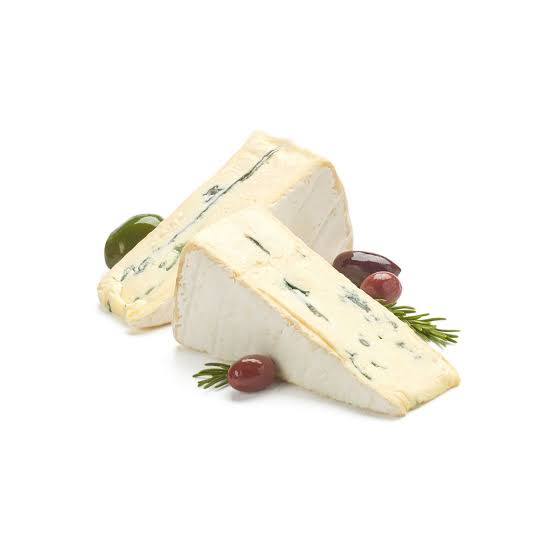
- Blue cheese, which goes soft, weeps and perfumes your entire tent
- Burrata, ricotta, cottage cheese, fresh chèvre, cream cheese
- Anything sold from a chilled cabinet in a plastic tub
Soft, mould-ripened and blue cheeses are also the group most associated with listeria risk, particularly when made from unpasteurised milk, and warmth does not help. That is general information rather than medical advice, and if you are pregnant, immunocompromised or feeding young children, follow current NHS guidance and ask a health professional rather than a cheese article.
Vacuum packs, wax and the packaging that matters
The single most useful thing you can do is buy vacuum-packed. A cryovac pack removes the oxygen, keeps moisture in and contamination out, and turns a three day cheese into a week long one while it stays sealed. Most supermarket hard cheese is already sold this way. Do not open it until you want to eat it.
Waxed truckles are the other great camping format. The wax is a genuine seal rather than decoration, and a small 200g to 400g truckle is robust enough to survive being thrown in a rucksack. Cut a wedge, then press the flap of wax back down over the cut face.
Once a pack is open, wrap the cheese in greaseproof paper or foil rather than clingfilm. Clingfilm traps moisture against the surface and cheese goes slimy fast in warm conditions.
Dealing with the heat
Above roughly 25C, hard cheese starts to "oil out". Butterfat migrates to the surface and the cheese looks greasy and sad. This is a quality problem rather than a safety one. Blot it with kitchen paper, let it cool, and it is still perfectly good to eat, if a little crumblier than it was.
Things that genuinely help:
- Freeze your water bottles and pack them at the bottom of the coolbox with the cheese on top. Cold sinks, so items above frozen bottles stay cold longest.
- Wrap the cheese in a damp tea towel and hang it in deep shade with air moving around it. Evaporative cooling can drop the temperature by several degrees and it costs nothing.
- Use the ground. Soil 30cm down is dramatically cooler than the air. A sealed box in a shallow hole under a tree is an old trick that still works.
- Cool water works too. A sealed, weighted pack in a stream stays cold all day, as long as it genuinely cannot float off.
- Never leave it in the car. A parked car in the sun is the hottest place at the entire campsite.
For a festival with no coolbox at all, plan for ambient and buy accordingly: vacuum-packed hard cheese, waxed truckles, foil triangles, and oatcakes rather than bread that will get crushed.
Campsite meals worth making
- Fire-grilled halloumi. Slice 1cm thick, oil lightly, two to three minutes a side over embers, then lemon and a drizzle of honey. It browns rather than melting because the curds were cooked in hot whey during production, which is why it holds its shape over fire.
- The proper camp toastie. Two slices of bread, butter on the outside, grated hard cheese inside, cooked in a dry frying pan or a pie iron over embers. Take it slower than you want to. Our ultimate grilled cheese sandwich guide covers the technique in full and all of it applies over a fire.
- Cheesy camp pasta. Boil pasta, drain most of the water, stir in a huge handful of grated Parmigiano or pecorino, black pepper and a knob of butter. It is a rough cacio e pepe and it is superb after a day of walking.
- Baked Camembert on the coals, but only on day one, straight from the coolbox. Score the top, put it back in its wooden box wrapped in foil, ten minutes near the embers.
- Cheese, oatcakes and pickle. No cooking, no washing up, no complaints.
What not to bother taking
- Pre-grated cheese. Clumps, sweats, tastes of the anti-caking agent.
- A whole soft cheese for "later in the week". It will not make it, and you will feel obliged to eat it when it does not deserve it.
- A cheese knife set. One sharp knife does everything.
- Anything you would be sad to lose. Do not take the good Comté to a festival. Take the workhorse.
Quick answers
How long can cheese stay out of the fridge? Hard aged cheese can sit at room temperature for days, especially sealed. Soft and fresh cheese should be treated like milk: hours, not days, and less than that in heat.
Is cheese that has sweated fat still safe? Usually yes, for hard cheese. Oiling out is a texture issue. What you are looking for instead is sliminess, an ammonia smell, or mould that is fuzzy and coloured rather than the cheese's own rind. If in doubt, bin it.
What is the best cheese for a festival? A waxed cheddar truckle or a vacuum-packed wedge of pecorino, plus a bag of oatcakes. Small, sealed, unbothered by warmth, and no cutlery required.
Can I take cheese hiking in a rucksack? Yes, and hard cheese is one of the best ratios of calories to weight you can carry at roughly 400 kcal per 100g. Keep it in the middle of the pack, away from the sun-facing side.
Does mould on camping cheese mean it is ruined? On a hard cheese, you can cut at least 2cm around and below a small spot of surface mould and eat the rest. On soft, crumbled or sliced cheese, throw the whole thing away.
Take a couple of cheeses you have never tried, rate them by the fire, and log them in the Cheezus app with the cheese tracker so next summer's packing list writes itself.
Get the app.
Track every cheese you try, scan any label, and find what is good near you. Free on iOS and Android.
Download Cheezus