The Fascinating History of Blue Cheese: Roquefort & Bacteria
Have you ever wondered how blue cheese came to be? Explore the fascinating history of blue cheese, the legend of Roquefort to the science behind the cheese.
The Fascinating History of Blue Cheese: Roquefort & Bacteria
Blue cheese is one of those unique culinary delights that tantalizes the taste buds and sparks curiosity. Its distinct flavor profile, characterized by bold, tangy notes and creamy texture, has captivated cheese lovers for centuries. But where did this flavorful cheese originate? What secrets lie in its past? In this article, we’ll dive deep into the fascinating history of blue cheese, exploring everything from the legendary origins of Roquefort to the incredible science of the bacteria that give this cheese its signature blue veins.
The Legend of Roquefort: A Cheese with a Mythical Beginning
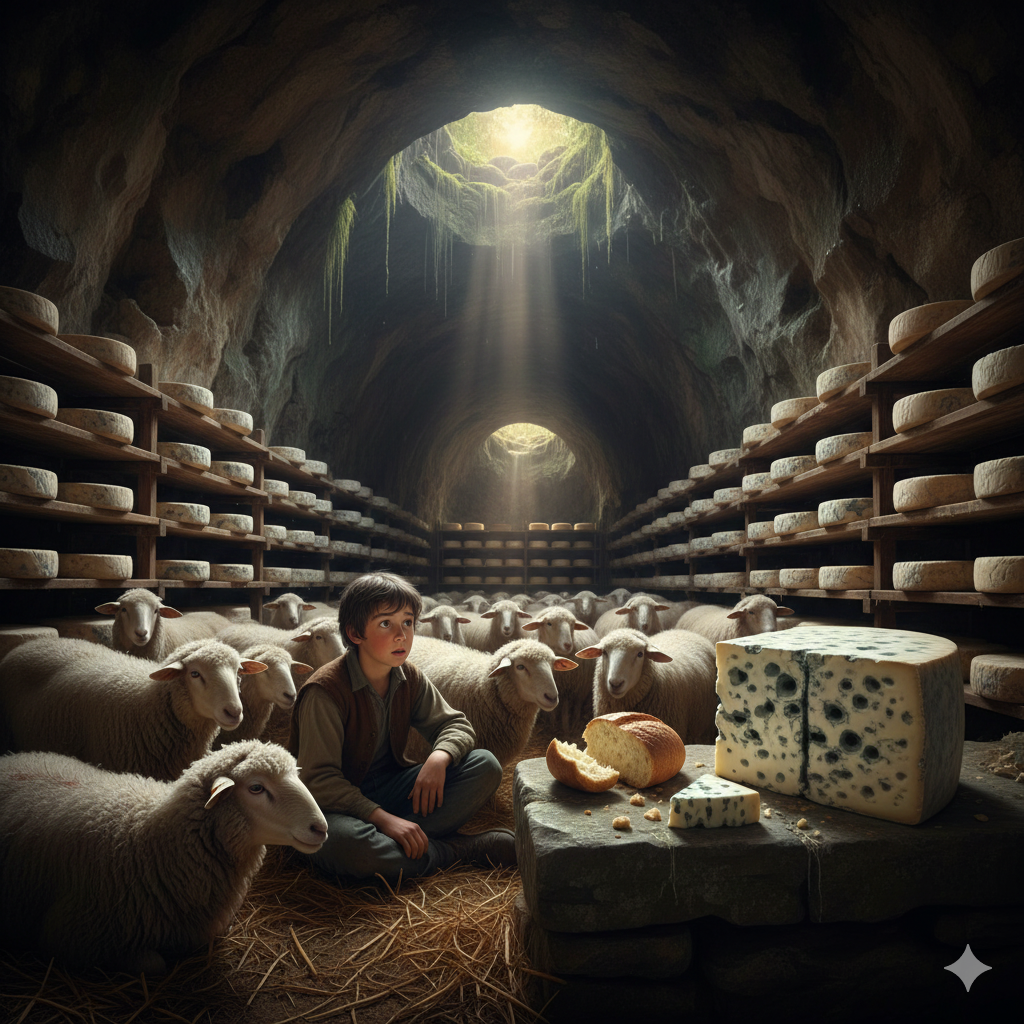
The story of blue cheese often begins with Roquefort, a cheese that hails from the south of France. According to legend, Roquefort was discovered by a young shepherd who left his lunch of bread and cheese in a cave while he pursued a beautiful maiden. Upon returning weeks later, he found that his cheese had developed a blue-green mold, which he bravely tasted. To his surprise, he found it delicious. This tale highlights the serendipitous nature of cheese-making and the role of Penicillium roqueforti in transforming ordinary cheese into something extraordinary.
The Origins of Roquefort
Roquefort cheese is made from sheep's milk and is aged in the natural limestone caves of Roquefort-sur-Soulzon. Its unique aging process contributes to its rich flavor and creamy texture. The history of Roquefort can be traced back to Roman times, making it one of the oldest cheeses still produced today.
- Protected Designation of Origin (PDO): Roquefort was granted PDO status in 1925, ensuring that only cheese produced in the specific region can be labeled as Roquefort. This legal protection has helped maintain the cheese's quality and authenticity, preserving its legendary status.
The Science of Blue Cheese: How Bacteria Transform Flavor
At the heart of blue cheese's unique flavor is Penicillium roqueforti, the mold responsible for its characteristic blue veins. Understanding the science behind this process can provide insight into why blue cheese tastes so delicious.
The Role of Bacteria in Cheese-Making
The process of cheese-making relies heavily on bacteria. Here’s how it works:
- Milk Selection: Cheese-makers select high-quality milk, which can come from cows, goats, or sheep.
- Inoculation: The milk is inoculated with specific bacteria and mold cultures, including Penicillium roqueforti.
- Curd Formation: Rennet is added to coagulate the milk, forming curds.
- Aging Process: The curds are shaped and salted, then placed in aging environments where the mold can flourish, developing the blue veins and intensifying the flavor.
This fascinating interplay of microorganisms not only affects flavor but also texture, aroma, and even the appearance of the cheese.
Other Types of Blue Cheese: A World of Flavor
While Roquefort is perhaps the most famous variety, blue cheese comes in many forms, each with its unique characteristics. Here are a few noteworthy examples:
- Gorgonzola: Hailing from Italy, this creamy blue cheese varies from mild to sharp, depending on its aging period.
- Stilton: Known as the “King of Cheeses,” English Stilton is crumbly and rich, often paired with port wine.
- Dolcelatte: A milder Italian blue cheese, Dolcelatte is creamy and sweet, making it a favorite for desserts.
Pairing Blue Cheese: Tips for the Perfect Combination
Pairing blue cheese with the right foods can elevate your culinary experience. Here are some delightful pairings to consider:
- Fruits: Pear, figs, and apples enhance the creamy texture and sharpness.
- Nuts: Walnuts and pecans add a crunchy contrast.
- Wines: Fortified wines like Port or sweet whites complement the cheese's bold flavors.
- Bread: Fresh crusty bread or crackers serve as a great base for enjoying blue cheese.
Quick Tips for Enjoying Blue Cheese
- Serve at Room Temperature: Let blue cheese come to room temperature before serving to enhance its flavor.
- Crumble Over Salads: Use blue cheese crumbles to take salads to the next level.
- Experiment with Dishes: Incorporate blue cheese in sauces, dressings, or even desserts for a unique twist.
Frequently Asked Questions (FAQ)
1. What makes blue cheese blue?
The blue color in blue cheese comes from the mold Penicillium roqueforti, which is introduced during the cheese-making process. It creates blue veins as it ages.
2. Is blue cheese safe to eat?
Yes, blue cheese is safe to eat for most people. However, those with mold allergies or specific health conditions should consult a doctor before consuming it.
3. How should blue cheese be stored?
Store blue cheese in the refrigerator, wrapped in parchment paper and then in plastic wrap to allow it to breathe while preventing it from drying out.
4. Can I make blue cheese at home?
While it is possible to make blue cheese at home, it requires specific molds and a controlled aging environment. Beginners may find it challenging, but there are kits available.
5. What are the health benefits of blue cheese?
Blue cheese contains calcium, protein, and probiotics, which can be beneficial for gut health. However, moderation is key due to its high fat and sodium content.
A Cheese Worth Celebrating
The history of blue cheese is as rich and complex as its flavor profile. From its legendary origins in Roquefort to the fascinating science behind its creation, blue cheese continues to delight and surprise cheese enthusiasts around the globe. Whether you are new to blue cheese or an aficionado, exploring its various types and perfect pairings can open up a world of culinary possibilities. So, next time you indulge in this unique cheese, take a moment to appreciate the journey it has taken to your plate. Happy tasting!!
Get the app.
Track every cheese you try, scan any label, and find what is good near you. Free on iOS and Android.
Download Cheezus