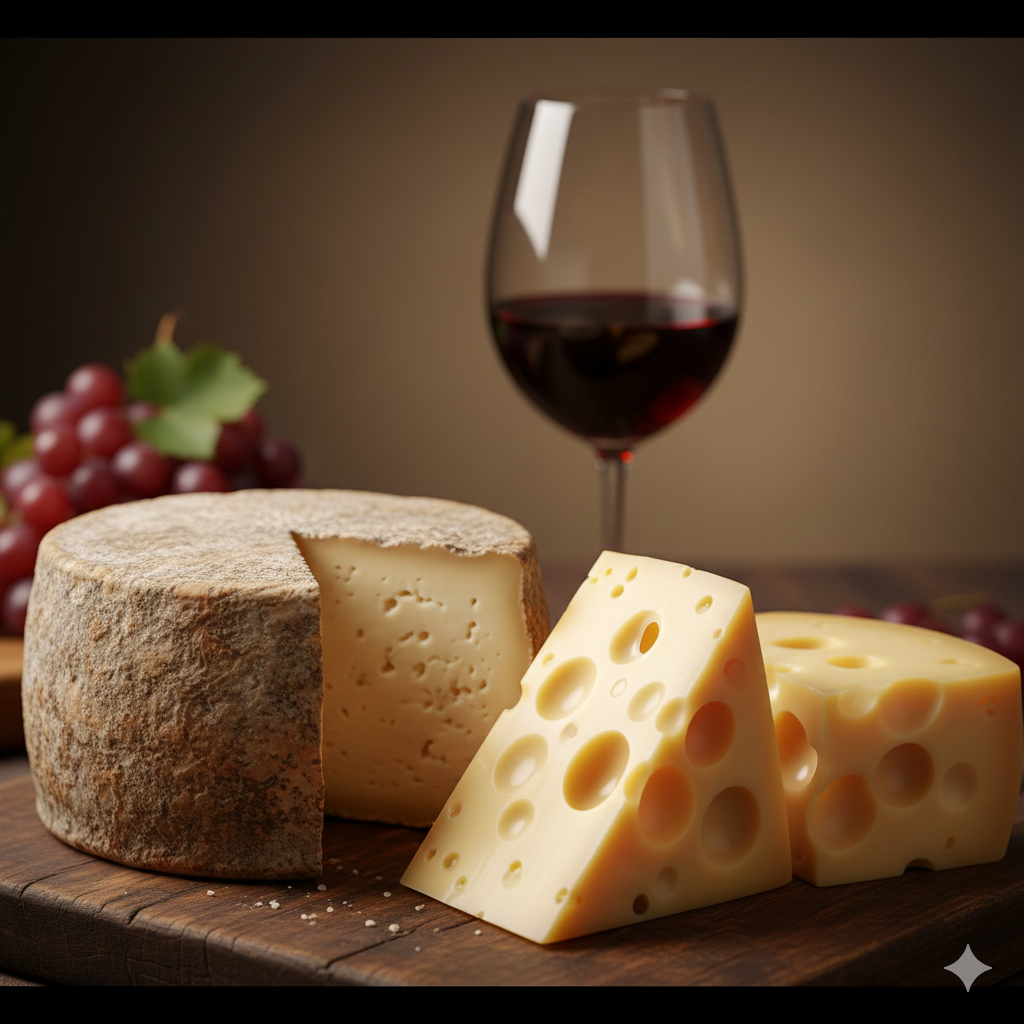
Why Cheese Has Holes: Unraveling the Mystery of Tommes
Discover why cheese has holes, the difference between tommes and holy cheeses, and the fascinating science behind these unique textures and making process
Why Cheese Has Holes: Unraveling the Mystery of Tommes
Cheese is a beloved food that delights our taste buds, but have you ever wondered why some cheeses have holes? This intriguing characteristic can be seen in various cheese types, especially in those known as tomme and certain other varieties often referred to as holy cheeses. In this article, we will explore the reasons behind these holes and the fascinating science that differentiates them.
Understanding the formation of holes in cheese not only gives us insight into cheesemaking but also elevates our appreciation of cheese as a culinary art. So, let’s dive into the delightful world of cheese holes, from tomme to classic Swiss varieties, and unravel the mystery behind these unique textures.
The Science Behind Cheese Holes
Cheese holes, or eyes, are a result of specific processes during cheesemaking. They can occur due to gas produced by bacteria or as a result of insufficient compression. Let’s break down the two main categories: tomme and classic holy cheeses.
Tomme: Holes from Lack of Compression
Tomme refers to a group of cheeses typically made in the French Alps. These cheeses are known for their rustic appeal and a unique texture that often includes holes.
- Lack of Compression: The holes in tommes are primarily due to the lack of pressure applied during the cheese-making process. When the curds are formed, they are not pressed tightly enough, allowing pockets of air to become trapped within the cheese.
- Texture and Flavor: This results in a softer texture with varying flavors, giving tommes their distinct character. The holes can vary in size from small pinpricks to larger openings, depending on the specific cheese-making techniques used.
- Examples of Tommes: Popular varieties include Tomme de Savoie and Tomme de Pyrenees. Both showcase a robust flavor profile that captures the essence of their mountainous origins.
Holy Cheese: Holes from Bacterial Activity
On the other hand, we have what many refer to as holy cheeses, like Swiss cheese. The holes in these cheeses are a result of a different process entirely.
- Bacterial Fermentation: The primary reason for holes in holy cheeses is the activity of specific bacteria, such as Propionibacterium freudenreichii. During fermentation, these bacteria produce carbon dioxide gas, which forms bubbles within the cheese.
- Consistent Compression: Unlike tommes, holy cheeses undergo a more rigorous pressing process. The result is a firmer texture, where the gas pockets create the characteristic holes as the cheese matures.
- Examples of Holy Cheeses: Classic varieties include Emmental, known for its large holes, and Gruyere, which has smaller, more evenly distributed holes.
Comparing Tommes and Holy Cheeses
To help you understand the differences more clearly, let's compare tommes and holy cheeses in a straightforward manner.
| Feature | Tomme | Holy Cheese |
|---|---|---|
| Formation Process | Lack of compression | Bacterial fermentation |
| Texture | Softer, rustic | Firmer, smooth |
| Hole Size | Variable, from tiny to large | Generally larger and consistent |
| Flavor Profile | Robust, complex | Nutty, sweet |
| Examples | Tomme de Savoie, Tomme de Pyrenees | Emmental, Gruyere |
The Role of Bacteria in Cheese Making
Understanding the role of bacteria is essential when discussing cheese holes. Bacteria not only contribute to flavor but also influence texture and holes. Here are some key points:
- Good Bacteria: Certain bacteria are beneficial and key to developing flavor and texture in cheese.
- Flavors: As bacteria metabolize fats and proteins, they create complex flavors, enhancing the cheese's overall taste.
- Health Benefits: Many cheeses, particularly those with live cultures, provide probiotics, beneficial for gut health.
Quick Tips: Choosing Cheese with Holes
- Pairing: Choose a tomme for rich, hearty dishes and holy cheeses like Emmental for lighter fare.
- Cooking: Holy cheeses melt beautifully due to their consistency, making them ideal for fondue and sandwiches.
- Storage: Store cheese in a cool, dry place, wrapped in cheese paper to maintain freshness and flavor.
FAQ Section
1. Why do some cheeses have holes while others do not?
Holes are formed due to gas production by bacteria or due to the lack of compression during the cheese-making process. Each method results in different textures and flavors.
2. Can I eat the cheese with holes?
Absolutely! The holes are a natural part of the cheese's texture and do not affect its edibility. In fact, they often add to the cheese's character.
3. Are there health concerns regarding cheese with holes?
Generally, cheese with holes is safe to eat. However, as with all dairy products, ensure they are properly stored and consumed before their expiration dates.
4. What is the best way to enjoy tomme and holy cheeses?
Tomme cheeses pair well with hearty breads and robust wines, while holy cheeses complement lighter dishes and can be melted for fondue.
5. How can I tell if a cheese is a tomme or a holy cheese?
Look for the texture and hole patterns: tommes have irregular holes and a softer texture, while holy cheeses have larger, more uniform holes and a firmer consistency.
Cheese holes are not just a quirky feature; they tell the story of the cheese-making process, revealing details about the craftsmanship behind each cheese. Whether you prefer the rustic allure of tommes or the nutty sweetness of holy cheeses, understanding why cheese has holes enriches your appreciation of these delicious creations.
So next time you encounter a cheese with holes, you'll know the fascinating science behind it. Explore different varieties, pair them wisely, and share your newfound knowledge with fellow cheese lovers. Happy cheesing!
Get the app.
Track every cheese you try, scan any label, and find what is good near you. Free on iOS and Android.
Download Cheezus