The Best Cheeses for a BBQ: What to Grill, Melt and Serve
Which cheeses hold up on the grill, what actually melts best on a burger, foil parcel tricks, smoked cheeses, and what to serve on the side.
For cheese you can put straight on the bars, use halloumi, queijo coalho, queso para freir or paneer. For burgers, use a young moist cheese such as medium cheddar, Monterey Jack, raclette or Gruyere. For the board alongside, use hard aged cheeses that shrug off the heat, like Manchego, Comte and Parmigiano Reggiano.
Cheese at a barbecue has three separate jobs, and most of the disappointment comes from asking one cheese to do all of them. Here is what actually works over live fire.
Cheeses you can put straight on the grill
These hold their shape at 200C and above. They soften, they brown, they do not run through the bars.
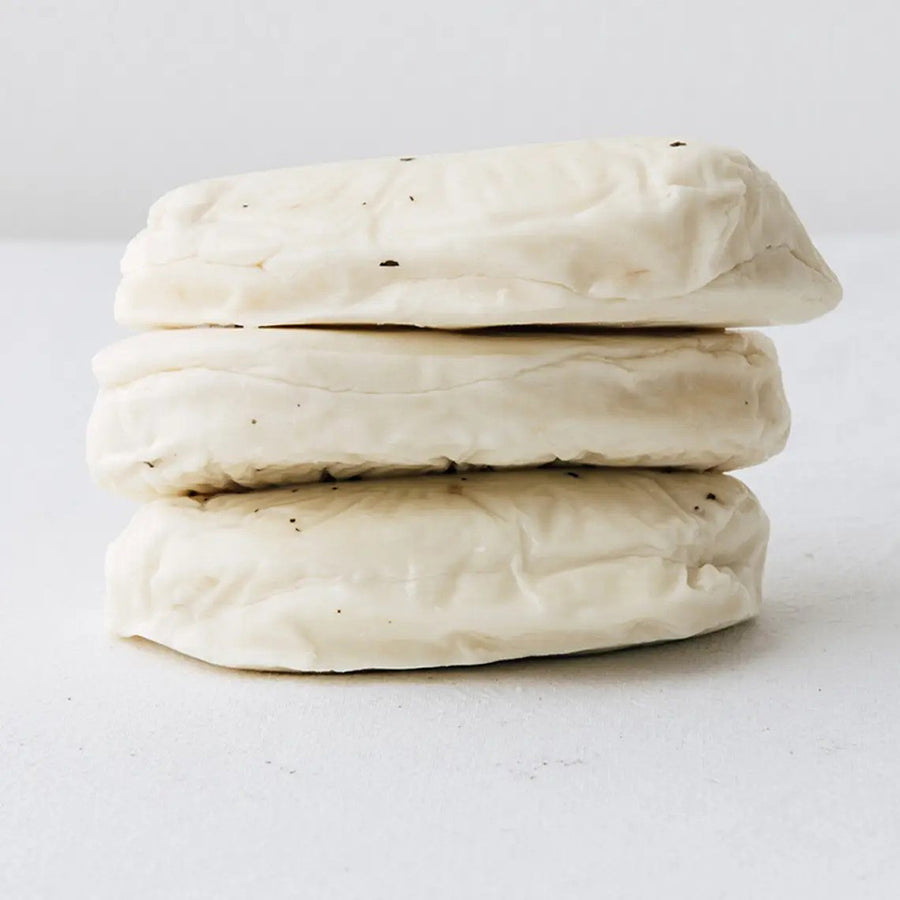
- Halloumi. The default, and deservedly so. Cypriot, traditionally sheep's and goat's milk, often folded around a mint leaf. Slice it about 1cm thick, pat it bone dry, oil the cheese rather than the grates, and give it two to three minutes a side without moving it.
- Queijo coalho. Brazilian, sold on skewers on every beach in Rio and grilled over charcoal. Milder and less salty than halloumi, with a springier chew. Superb with a squeeze of lime.
- Queso para freir and queso blanco. Latin American frying cheeses. Firm, mild and salty. Cube them for skewers or slab them for a griddle.
- Paneer. Indian, set with lemon juice or vinegar rather than rennet, and completely unsalted. It will not melt, but it brings no flavour of its own either, so it needs salt and a spiced yoghurt marinade before it goes anywhere near heat.
- Kefalograviera and graviera. The Greek saganaki cheeses. Firm sheep's milk cheeses that soften rather than flow. Flour them, fry them in olive oil in a heavy pan on the grill, finish with lemon.
- Leipajuusto. Finnish bread cheese, already baked to a leopard-spotted crust. Warm it through on the edge of the grill. It squeaks.
- Scamorza affumicata. Smoked, dried mozzarella. Firmer than fresh mozzarella, and it holds together long enough to grill in thick slices.
Why some cheeses hold and others fall through the bars
It comes down to acid and calcium. In most cheeses, bacteria convert lactose into lactic acid during the make and the pH drops to around 5.0 to 5.4. That acidity strips calcium out of the protein network, and once the calcium bridges are gone the proteins slide past each other when heated. That is melting.
Halloumi and its relatives are made the other way round. The curd is cooked in hot whey at around 90C before much acid develops, which sets the protein network while the calcium is still locked in place, leaving a final pH of around 5.8 to 6.2. Apply heat and the fat melts and the water evaporates, but the scaffold holds its shape and browns instead.
Aged cheeses fail on the grill for the opposite reason: their protein network has already been broken down by months of enzyme activity, so heat separates the fat and the whole thing splits into a greasy puddle. Parmigiano on a barbecue is an expensive mistake.
The best cheese for a burger
The best melting cheeses are young, moist and moderately acidic. In rough order of how reliably they behave:
- American-style processed slices. Say what you like about them, they melt perfectly, because emulsifying salts stop the fat and protein separating. If you want the diner burger, this is the cheese that makes it.
- Medium cheddar. Not mature, not extra mature. Three to six months is the sweet spot where you get flavour without the split.
- Monterey Jack. Mild, very high moisture, melts into a proper blanket.
- Raclette. Literally designed to be melted. Nutty and savoury, and a big upgrade on cheddar for very little effort.
- Gruyere, Comte and Emmental. Excellent melters with real depth. Gruyere in particular browns beautifully.
- Young Gouda, Havarti and Fontina. Soft, buttery and forgiving.
Two things make any of them melt better. Steam it: lay the cheese on, splash a tablespoon of water onto the grill beside the burger, and cover with a dome or upturned metal bowl for 20 to 30 seconds. Steam melts cheese far faster and more evenly than radiant heat. And slice it thin or grate it, because a thick cold slab takes so long to melt that the patty overcooks underneath.
For a genuinely silky cheese sauce for nachos or chips rather than a stringy one, the trick is sodium citrate. Dissolve about 10g in 100ml of milk or beer, bring it to a simmer, then whisk in 250g of grated cheese off the heat. It will not split or go grainy, and it stays pourable far longer than a roux-based sauce.
Foil parcels: the easiest cheese trick at a barbecue
Foil turns the cooler side of the grill into an oven, and it is where the laziest and best results live.
- Baked camembert. Score the top, push in slivers of garlic and thyme, wrap in a double layer of foil, and sit it on indirect heat with the lid down for 15 to 20 minutes.
- Grilled feta. A whole block on foil with cherry tomatoes, olive oil, oregano and chilli flakes. Seal it, 20 minutes on indirect heat, then mash the lot into a dip.
- Blue cheese butter. Mash 50g of Stilton or Roquefort into 50g of soft butter with black pepper, wrap in foil, melt on the grill edge, spoon over steak.
- Raclette on the edge. Sit the cut face of half a wheel towards the coals and scrape the molten layer over new potatoes. A party trick that never fails.
Smoked cheeses, and how to smoke your own
Genuinely smoked cheeses are a different thing from smoke-flavoured ones. Plenty of supermarket smoked cheddars are dusted with paprika and dosed with smoke flavouring rather than actually sitting in smoke, and the ingredients list will tell you if you look for the words "smoke flavouring".
Worth seeking out properly smoked: scamorza affumicata, smoked over straw and the best all-rounder for a barbecue; Idiazabal, Basque sheep's milk, firm and nutty; oscypek, the Polish smoked sheep's milk cheese from the Tatra mountains, traditionally grilled and served with cranberry; smoked Gouda, sweet and mellow and excellent in a burger; and Rauchkase, the German beechwood-smoked style.
To cold smoke your own, the only rule that really matters is temperature: keep the chamber below about 30C or the cheese will simply melt. Use a smoke tube filled with pellets, no lit coals, cheese on a rack over a tray of ice, two to four hours. Then wrap it and leave it in the fridge for a week or two. Fresh off the smoker it tastes like an ashtray. After a fortnight it tastes like smoked cheese.
What to put on the board alongside
Hot weather boards want salt, acid and firmness. Manchego with quince paste, Comte, an aged Gouda, and feta with watermelon and mint all hold up while a ripe brie is quietly collapsing. Keep the board in the shade, bring cheese out in small batches, and put the rest back in the cool bag between servings.
Cold lager and dry cider handle salty grilled cheese better than most wine does, and a sharp gin and tonic is a brilliant partner for halloumi. There is a full breakdown in our gin and cheese pairing guide, and more unusual combinations in unexpected cheese pairings.
Quick answers
Can I put mozzarella on the barbecue? Not fresh mozzarella, it will collapse and leak. Low moisture mozzarella works in a foil tray, and smoked scamorza works directly on the grill.
Does cheese need to be at room temperature before grilling? No, the opposite. Grill it fridge cold so the outside browns before the middle turns to liquid.
Why does my halloumi stick to the grill? Wet cheese and cool bars. Pat it completely dry, oil the cheese rather than the grates, get the grill properly hot, and do not move it until it releases on its own.
What is the best cheese for a cheeseburger if I only buy one? Medium cheddar. It melts reliably, everyone likes it, and it does not need a special trip.
Log what you cook and what actually worked in the Cheezus cheese tracker, or dig through the cheese catalogue before your next shop.
Get the app.
Track every cheese you try, scan any label, and find what is good near you. Free on iOS and Android.
Download Cheezus