Wine and Cheese Pairing: The Rules That Actually Work
Why red wine and cheese so often clashes, which whites never fail, pairing tables by cheese family and wine style, and five combinations worth buying.
Here is the thing nobody tells you at the wine shop.
Most cheese goes better with white wine than red. The big tannic red you were reaching for is the single most common pairing mistake there is. Red wine and cheese is a habit, not a rule, and once you drop it your cheese board gets dramatically better.
Now the detail: the four principles that govern a pairing, a lookup table by cheese family and by wine style, and five combinations you can buy this afternoon.
The four principles
1. Match intensity before anything else
This one does the heavy lifting. A delicate cheese against a powerful wine is not a pairing, it is a mugging. A fresh goat cheese next to a 15 percent Shiraz is simply gone.
Rank the cheese from mild to punchy, rank the wine from light to heavy, line them up. Get this right and you are most of the way there.
2. Acidity cuts fat
Cheese is fat and salt. Acidity scrubs your palate clean between bites so the second mouthful tastes as good as the first.
That is why high acid whites work and soft, low acid wines do not. Sancerre, Chablis, Muscadet, dry Riesling and good Champagne all cope with a mouthful of Brie. A ripe, oaky Chardonnay usually does not.
3. Sweet loves salty
Salt makes sugar taste less cloying and sugar makes salt taste less aggressive, so both sides improve. This is the mechanism behind the two most famous cheese pairings on earth, Sauternes with Roquefort and Port with Stilton, and why sweet wine is the right move with every blue you will ever meet. It also makes off-dry Riesling one of the most useful cheese wines going, because it brings both sugar and acid.
4. What grows together goes together
Regional pairings work because both came out of the same landscape and were refined against each other over centuries. Sancerre with Crottin de Chavignol, both from a few miles of the Loire. Comté with the nutty whites of the Jura. Munster with Alsace Gewurztraminer. Pecorino Toscano with Chianti.
Stuck in a shop with no idea, buy the wine from the same place as the cheese. Not romance, just a shortcut that works.
Why red wine and cheese is so often wrong
The cliché exists because red wine and cheese are both things you serve at the end of a meal. That is genuinely the whole reason.
The chemistry is less friendly. Red wine gets its grip from tannin, and tannin binds to protein. Cheese is loaded with protein and fat, coats the palate and strips the tannin straight out of the wine. The cheese wins every time, and you are left with a wine that has lost its fruit and its structure and tastes hollow and faintly metallic.
Aged, salty, crystalline cheeses are the worst offenders. Mature Cheddar against a young Cabernet or a Barolo is genuinely unpleasant, all bitterness and tin.
The reds that do work are the low tannin, high fruit, decent acid ones:
- Gamay (Beaujolais, ideally a cru such as Fleurie or Morgon), the most cheese friendly red there is
- Pinot Noir, light and unoaked, with washed rind and mild alpine cheeses
- Loire Cabernet Franc (Chinon, Saumur), especially with goat cheeses
- Fortified reds, because Port and Madeira have sweetness on their side
Handed a big red anyway, aim it at a hard sheep's milk cheese such as Manchego or Ossau-Iraty. Sheep's milk has the fat and the sweetness to cope better than cow's milk does.
Pairing table by cheese family
| Cheese family | Examples | Reach for | Avoid |
|---|---|---|---|
| Fresh and goat | Chèvre, Crottin de Chavignol, ricotta, feta | Sancerre, Pouilly-Fumé, Muscadet, dry Vinho Verde | Anything oaked or heavy |
| Soft bloomy | Brie de Meaux, Camembert, Tunworth | Champagne, Crémant, unoaked Chardonnay, dry cider | Tannic reds |
| Semi-soft | Havarti, young Gouda, Fontina | Pinot Gris, dry Riesling, light Pinot Noir | High alcohol reds |
| Hard alpine | Comté, Gruyère, Beaufort, Emmental | Jura Savagnin, Chardonnay, dry Riesling, Amontillado sherry | Bold Cabernet |
| Aged cheddar and hard cow | Montgomery's, Lincolnshire Poacher | Off-dry Riesling, Amontillado, Tawny Port, good cider | Young Cabernet, Barolo |
| Hard sheep | Manchego, Ossau-Iraty, Pecorino | Rioja, Fino sherry, Chianti | Very delicate whites |
| Washed rind | Époisses, Taleggio, Munster, Stinking Bishop | Gewurztraminer, Alsace Pinot Gris, Chablis, saison beer | Almost all reds |
| Blue | Stilton, Roquefort, Gorgonzola | Sauternes, Tawny Port, Tokaji, late harvest Riesling | Dry reds and dry whites alike |
| Smoked | Smoked Gouda, smoked Cheddar | Off-dry Riesling, rosé, Zinfandel | Delicate whites |
Pairing table by wine style
| Wine style | Best with | Why it works |
|---|---|---|
| Sparkling (Champagne, Crémant, Cava) | Bloomy rinds, salty hard cheeses, anything fried | Acid and bubbles scour fat off the palate |
| Crisp dry white (Sauvignon Blanc, Muscadet, Chablis) | Fresh goat, feta, young cheeses | Acidity mirrors the lactic tang |
| Fuller white (Chardonnay, Pinot Gris, Savagnin) | Alpine cheeses, Gruyère, Comté | Weight matches weight, nutty meets nutty |
| Off-dry white (Riesling Kabinett, Vouvray demi-sec) | Almost everything, including blue and smoked | Sugar plus acid is the most flexible combination there is |
| Aromatic white (Gewurztraminer, Viognier) | Washed rind, Munster, strong smelling cheese | Perfume stands up to the aroma instead of hiding from it |
| Light red (Gamay, Pinot Noir, Cabernet Franc) | Semi-soft, mild alpine, goat | Low tannin means nothing to strip |
| Big red (Cabernet, Syrah, Nebbiolo) | Hard sheep's milk, aged Gouda | The only cheeses with enough fat and sweetness to survive it |
| Rosé | Fresh cheeses, halloumi, mild goat | Fruit plus acidity, no tannin |
| Sherry (Fino, Amontillado) | Manchego, aged Comté, hard cheeses | Salt plus nuts plus savoury depth |
| Sweet and fortified (Sauternes, Port, Tokaji) | Blue, everything blue | The sweet and salty rule at full volume |
Five pairings that cannot fail
- Sauternes with Roquefort. The benchmark. Honeyed apricot against aggressive salt and blue, each making the other taste twice as good. A young Sauternes or a Monbazillac at a third of the price does the job.
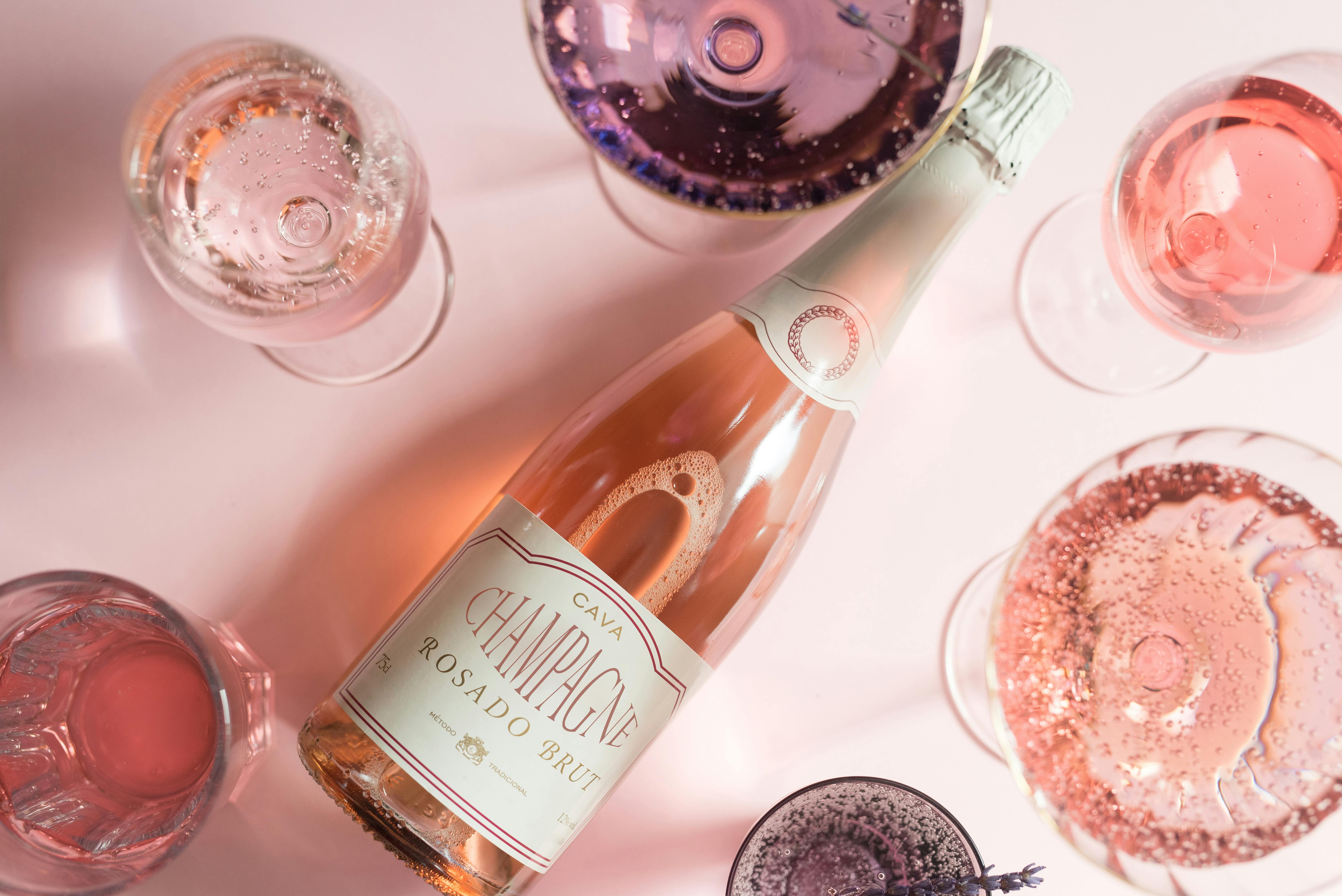
- Champagne with a ripe Brie de Meaux. Or a triple crème such as Brillat-Savarin. Bubbles and acidity cut through the butterfat and reset the palate every sip. A Crémant de Bourgogne is the same trick for fifteen pounds.
- Sancerre with Crottin de Chavignol. Two products of the same handful of Loire hillsides. Flinty Sauvignon Blanc against bright lactic goat. If you only try one pairing here, make it this one.
- Tawny Port with Colston Bassett Stilton. Ten year old tawny rather than ruby, because nutty caramel oxidation fits better than raw sweet fruit. Serve it lightly chilled, around 14C.
- Aged Comté with Amontillado sherry. The underrated one. A 24 month Comté full of crunchy tyrosine crystals against dry, salty Amontillado is one of the great savoury pairings, and the bottle costs less than a mediocre red.
Practical serving notes
- Whites at 8C to 10C, light reds at 13C, big reds at 16C. Fridge cold kills aroma, room temperature makes red taste of alcohol.
- Cheese at room temperature, out of the fridge 45 minutes ahead. Cold cheese has no aroma, so there is nothing for the wine to pair with.
- Work light to heavy across board and glasses, finishing on blue and something sweet.
- One bottle covers four to six people. For a proper tasting, one white and one sweet beats three reds.
Quick answers
What is the single most versatile cheese wine? An off-dry German Riesling. Acid for the fat, sugar for the salt and enough aroma for strong cheese. It handles blue, smoked, hard and fresh cheeses without complaint.
Is red wine and cheese always wrong? No, but wrong more often than people expect. Keep to low tannin reds, and point big reds at hard sheep's milk cheeses.
What if I only want one bottle for the whole board? Sparkling. Champagne or a good Crémant is the only style that gets on with almost every cheese on the table.
Does the wine need to be expensive? Not remotely. Muscadet, Crémant, Amontillado and Beaujolais are all bargains, and the pairing does more work than the price tag.
What if I do not drink wine? Cider is superb with Cheddar and bloomy rinds, and gin is a genuinely brilliant partner. We covered that in the gin and cheese pairing guide.
To go further off the map, try our list of unexpected cheese pairings, or browse the cheese catalogue. When something clicks, log the pairing in the Cheezus tracker so you can recreate it rather than half remember it.
Get the app.
Track every cheese you try, scan any label, and find what is good near you. Free on iOS and Android.
Download Cheezus